
If your little one has just started piano lessons — or you’re thinking about signing them up —
you might be wondering: what actually matters most in the beginning?
At Kadenz Music Academy, we’ve taught hundreds of young children to play piano, and we’ve seen firsthand that the first three months set the tone for everything that follows. It’s not about playing the most songs or rushing through books. It’s about building the right habits — ones that will carry your child all the way from their very first note to a lifetime of musical joy.
Here are the 5 piano habits we nurture in every young beginner, and why each one matters more than you might think.
Habit 1: Sitting Properly at the Piano
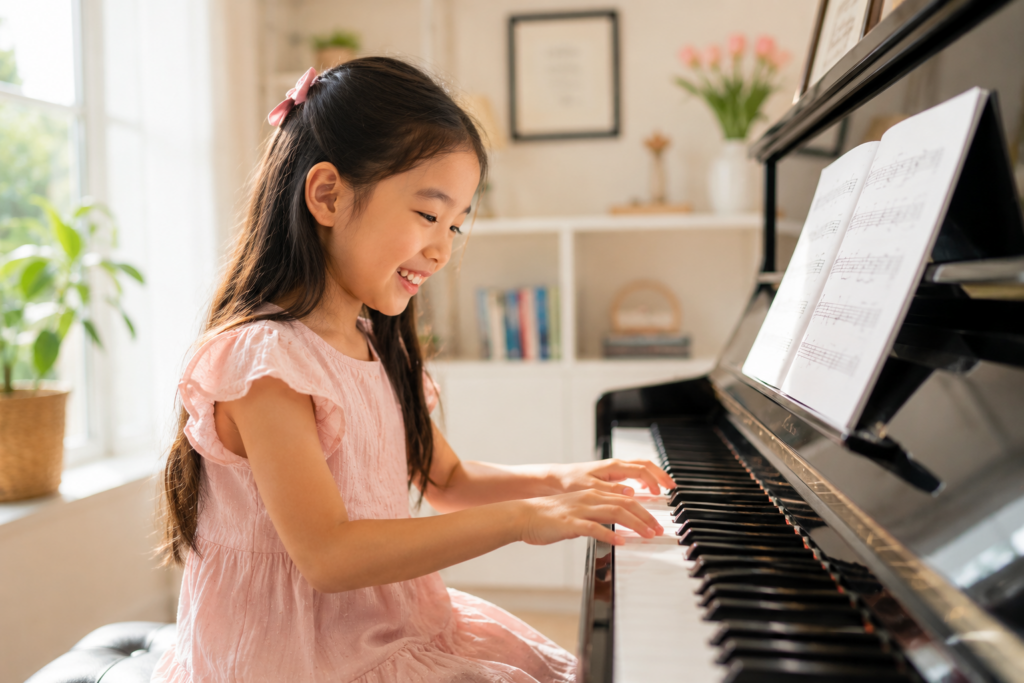
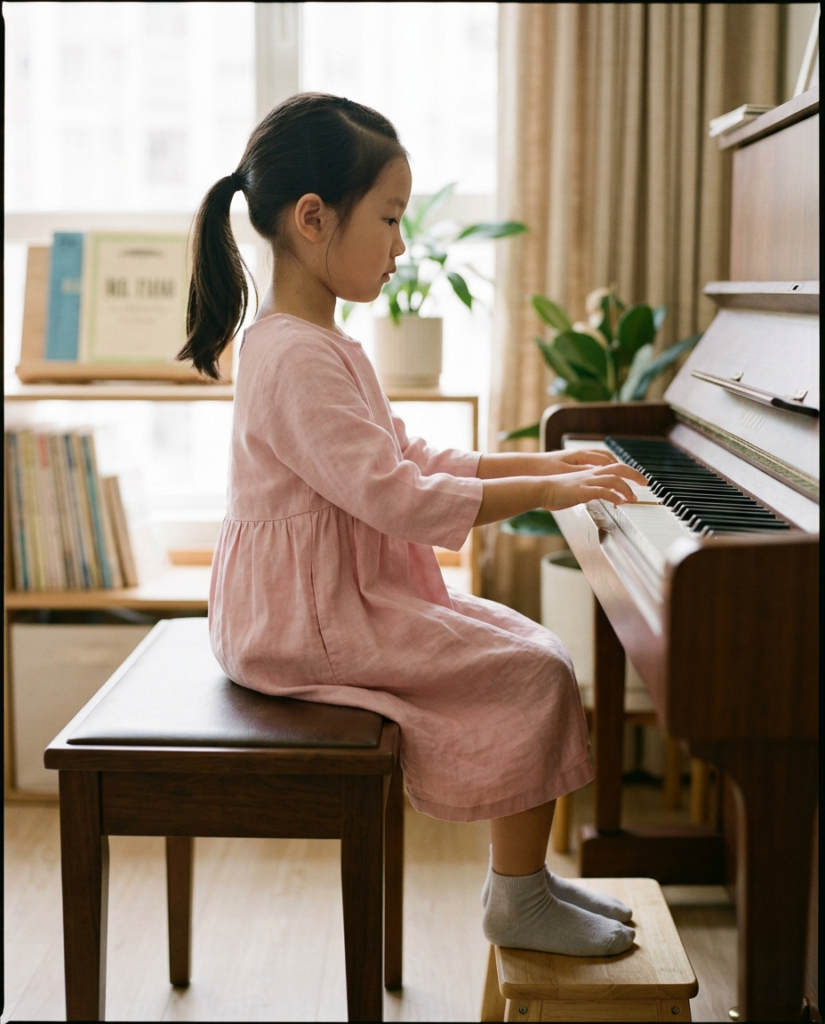
It might seem like a small thing, but how your child sits at the piano affects everything — their comfort, their control, and even their confidence. We encourage children to sit at the right height so their elbows are level with the keys, with feet flat on the floor (or on a footstool for our smaller musicians!).
A relaxed, upright posture means little fingers can move freely, and it also helps prevent tension and fatigue during practice. We make this fun — some of our teachers call it the ‘tall tree’ posture, and children love growing into it
Habit 2: Curved Fingers (The 'Ant Hill' Shape)
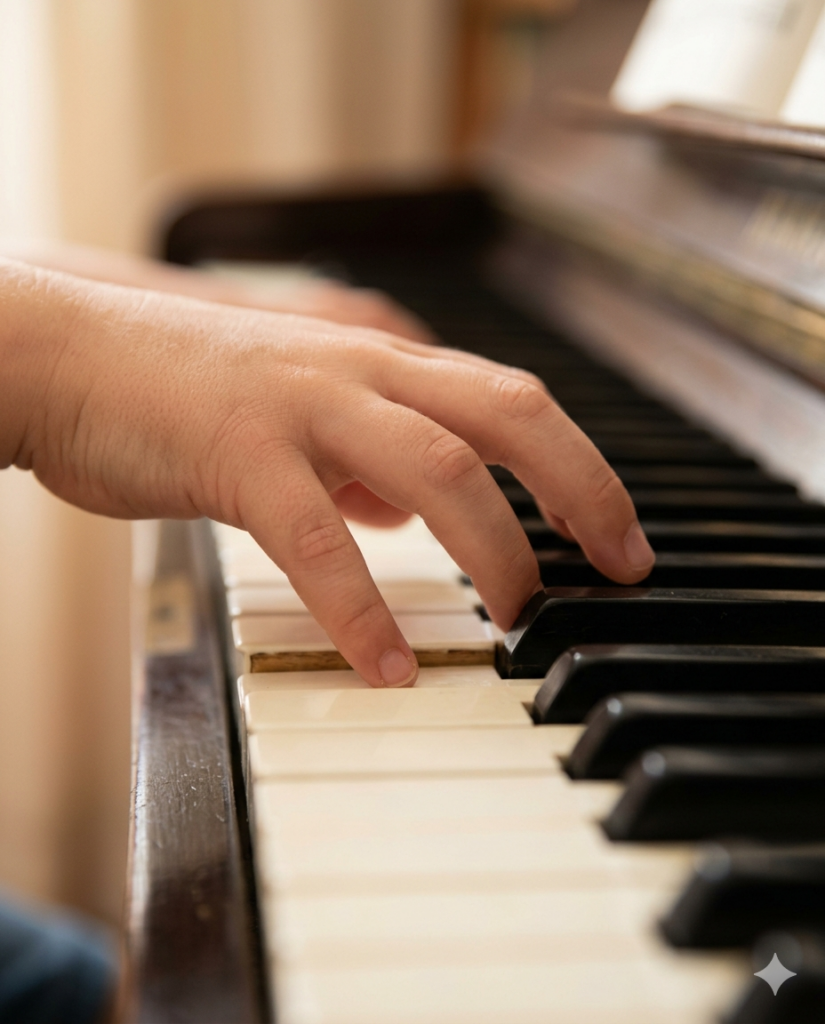
One of the most important technical habits for any beginner is learning to keep their fingers gently curved — not flat, not stiff. We often describe this as making a little ‘ant hill’ shape with the hand.
Curved fingers give children better control over each key and help them develop the independence and strength needed to play more complex pieces as they grow. It’s a habit that’s much easier to build correctly from the start than to fix later on.
Habit 4: Listening While Playing
This one surprises many parents. We actively teach children to listen to what they’re playing – not just press the right keys. Does it sound even? Is one note louder than the others? Does it flow?
Developing an ‘inner ear’ early on helps children self-correct, play more musically, and ultimately enjoy what they hear. It also lays the groundwork for music theory, ear training, and performance — skills that matter for ABRSM exams and beyond.
Habit 5: Short, Consistent Practice at Home
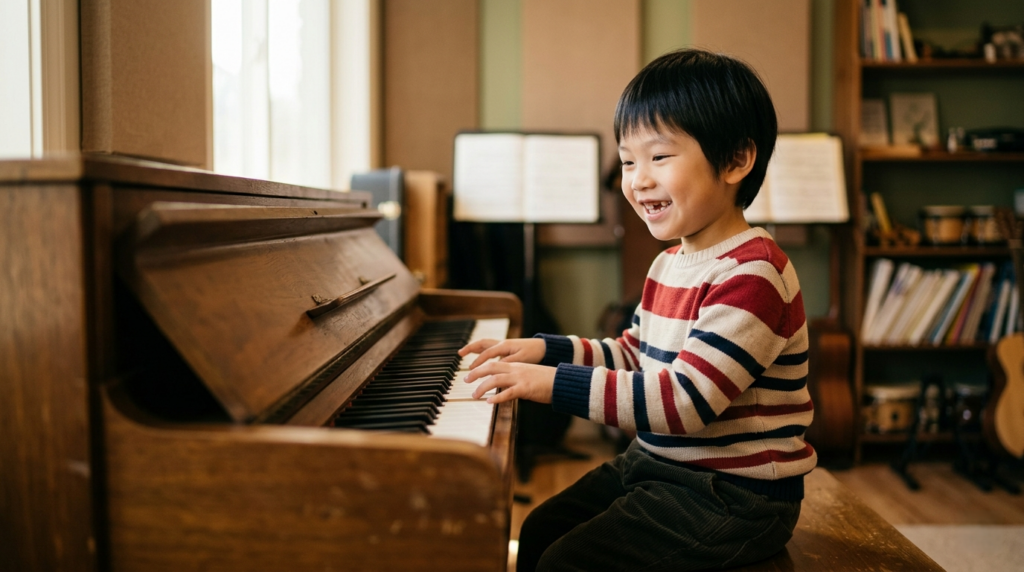
We always tell parents: 10 minutes every day beats 60 minutes once a week. Young children learn best through short, frequent repetition — and this is especially true for piano, where muscle memory plays such a big role. We work with parents to make home practice feel light and achievable. No pressure, no battles – just a few minutes at the keyboard each day, and over time, the progress is remarkable.
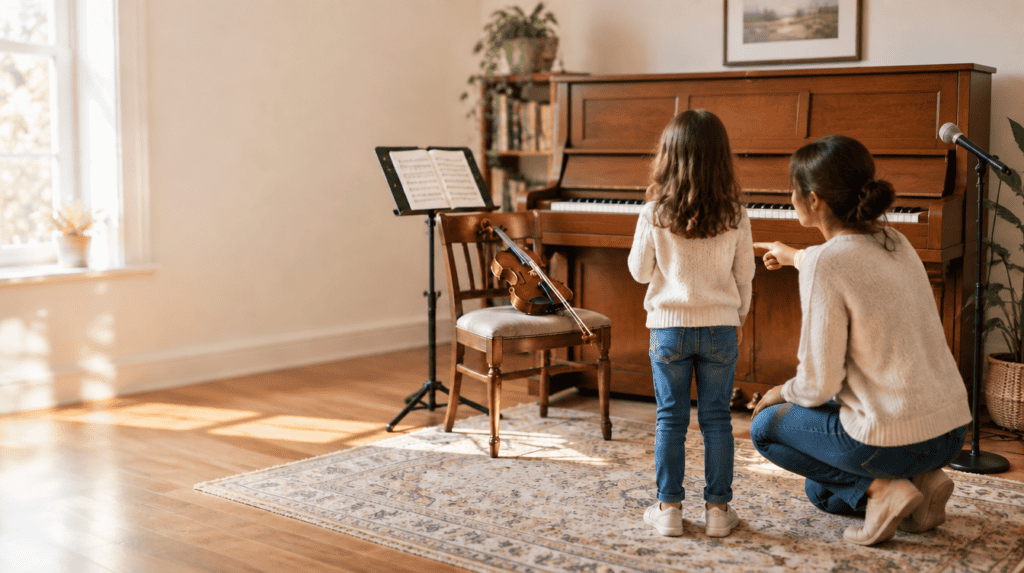
Interested in our piano lessons for children in Singapore or violin lessons? You may also explore our trial music lessons to experience our teaching approach firsthand.
Frequently Asked Questions
Student recitals help children build confidence, improve focus, and learn how to perform under gentle guidance. They are an important part of holistic music education.
Children can start performing as soon as they feel ready, even from beginner levels. Our recitals are designed to be supportive and age-appropriate, especially for young learners.
Participation is encouraged but never forced. Our goal is to help each child grow at their own pace while developing confidence through positive performance experiences.